2026 Top Solar Hybrid Inverter Features Buyers Should Know?
As the solar energy market rapidly evolves, understanding the features of Solar Hybrid Inverters becomes crucial for buyers. Recent industry reports indicate that the global solar inverter market is expected to reach USD 14.11 billion by 2026, growing at a CAGR of 19.7%. This remarkable growth highlights the increasing shift toward renewable energy sources and the importance of advanced inverter technologies.
Solar Hybrid Inverters serve a crucial role in maximizing energy efficiency and storage. They allow users to integrate both solar power and grid electricity seamlessly. A study by the International Energy Agency (IEA) revealed that hybrid systems could increase energy self-consumption by up to 40%. This means significant savings on electricity bills, yet it also raises questions about the initial investment.
Despite these advantages, buyers should consider several factors before making a purchase. Not all Solar Hybrid Inverters are created equal, and some may not meet individual energy needs. Understanding efficiency ratings, grid compatibility, and battery integration is essential. Buyers may face overwhelming choices, leading to potential regrets if not carefully assessed. The evolving technology landscape demands a thoughtful approach to selecting the right Solar Hybrid Inverter for a sustainable future.
Key Features of 2026 Top Solar Hybrid Inverters
When considering a solar hybrid inverter in 2026, understanding its key features is essential. One significant factor is the inverter's efficiency. High efficiency translates to better energy conversion rates, allowing homeowners to maximize their solar power usage. Many models now feature advanced MPPT (Maximum Power Point Tracking) technology, which optimizes energy harvest from solar panels. This improvement can lead to noticeable savings on utility bills over time.
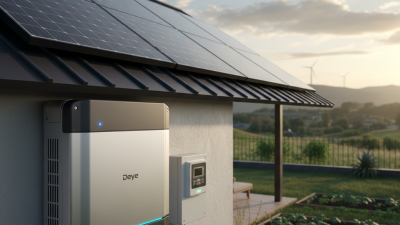
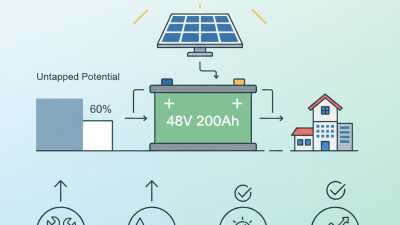
Another vital feature is the inverter’s ability to handle battery storage. As battery technology progresses, the integration of energy storage becomes unavoidable. A hybrid inverter should support various battery types, enabling flexibility in energy management. Additionally, intuitive user interfaces with real-time monitoring capabilities can enhance usability. Users can stay informed about their energy production and consumption patterns, which is crucial for effective energy management.
Safety features also cannot be overlooked. Inverters in 2026 are likely to include enhanced protection mechanisms against overloads and overheating. While these improvements are noteworthy, potential buyers should reflect on the installation process. Proper installation is critical to ensuring safety and functionality. Therefore, professional guidance remains essential for achieving optimal performance. From efficiency to safety, buyers need to weigh these factors carefully.
Benefits of Using Solar Hybrid Inverters
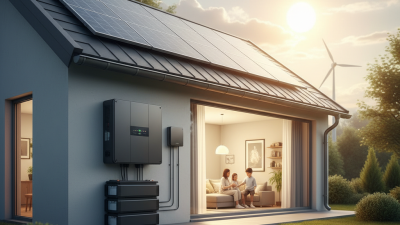
Solar hybrid inverters combine the benefits of both solar energy and grid power. They maintain energy flow even when solar production is low. This feature is particularly useful for regions with unstable power supplies. Users can save money while still enjoying reliable electricity.
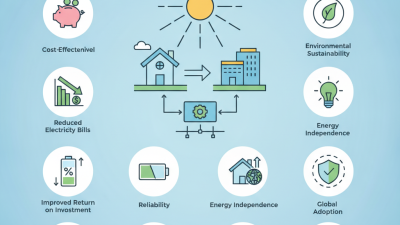
One major benefit of solar hybrid inverters is energy independence. Homeowners can harness the sun’s power during the day and use it at night. This flexibility ensures minimal reliance on the grid. Additionally, many systems allow for battery storage, enhancing this independence. By using these inverters, users actively reduce their carbon footprints.
Tips for potential buyers: Evaluate your energy needs carefully. Determine how much energy your home consumes daily. Consider the battery storage capacity as well. A larger capacity can provide more backup power during outages. Research local incentives for solar installations too. These incentives can make your investment more affordable. Choosing the right solar hybrid inverter involves balancing performance and price.
2026 Top Solar Hybrid Inverter Features Buyers Should Know
| Feature |
Description |
Benefits |
| Efficiency Rating |
Higher conversion efficiency of up to 98% |
Greater energy output and reduced electric bills |
| Battery Integration |
Seamless integration with battery storage systems |
Utilizes stored energy during outages or peak hours |
| Grid Independence |
Can operate off-grid or grid-tied |
Increased resilience during grid failures |
| Smart Monitoring |
Remote monitoring capabilities via apps |
Real-time performance tracking and data analysis |
| Multiple MPPT |
Multiple Maximum Power Point Tracking technology |
Maximizes energy harvest from solar panels |
| Multiple Input Channels |
Supports various input sources for flexibility |
Versatile setup for diverse energy needs |
| Warranty |
Extended warranty options for peace of mind |
Long-lasting performance assurance |
Comparison of Solar Hybrid Inverters with Standard Inverters
Solar hybrid inverters are gaining attention for their unique features. Unlike standard inverters, they can work with both solar energy and battery storage. This flexibility allows users to rely on stored energy during peak hours or outages. In 2022, the global solar inverter market reached $9.3 billion and is projected to expand at a CAGR of 20.6% through 2030. This trend highlights the increasing importance of hybrid technology in energy management.
One key difference lies in efficiency. According to a report from Allied Market Research, hybrid inverters can achieve up to 98% efficiency under optimal conditions. Standard inverters typically range between 95% to 96%. However, hybrid models may be more complex, leading to potential installation challenges. Consumers need to consider installation costs and the need for professional assistance.
Durability also varies between the two types. Hybrid inverters often come with advanced features like remote monitoring. This offers users critical insights into their energy consumption. Yet, some users report glitches in monitoring apps, raising questions about reliability. Choosing between a hybrid and standard inverter involves weighing such trade-offs carefully.
2026 Comparison of Solar Hybrid Inverters with Standard Inverters
Factors to Consider When Buying a Solar Hybrid Inverter
When purchasing a solar hybrid inverter, several key factors come into play. The first consideration is power capacity. It's essential to determine your energy needs based on your household consumption. Look for an inverter that matches or exceeds your requirements. An insufficient capacity may lead to inefficiencies in energy management.
Efficiency ratings are also crucial. Inverters convert DC to AC power, and their efficiency affects overall solar system performance. A higher efficiency rating means more usable energy. However, not all high-efficiency models perform well under varying conditions. Research shows that some may underperform in low sunlight. Understanding your local climate and how it impacts performance is important.
Additionally, consider the inverter's smart features. Many modern models include monitoring apps. These can help track energy production and consumption seamlessly. User-friendly interfaces are a must, but not every model excels in this area. Customer reviews often highlight usability issues that can affect your experience. So, reflect on what features matter most to you and your family. Choose wisely to ensure you invest in a reliable and functional solar solution.
Emerging Technologies in Solar Hybrid Inverters for 2026
Emerging technologies in solar hybrid inverters are transforming the energy landscape for 2026. Recent research indicates a strong shift toward increased efficiency and intelligence. A report from the International Renewable Energy Agency highlights that new tech can boost inverter efficiency to over 98%. This means more power generated from less sunlight, benefiting users significantly.
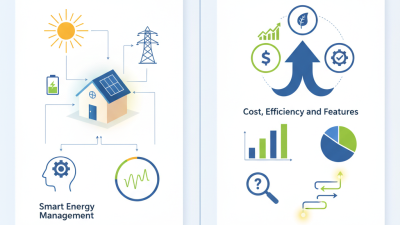
Integration of smart technology is another hot trend. Many inverters now come with advanced monitoring features. These allow real-time performance tracking via mobile apps. Exploring artificial intelligence capabilities, manufacturers are focusing on predictive maintenance. This can reduce downtime and improve overall system reliability. In fact, studies predict that smart inverters can reduce maintenance costs by up to 30%.
Energy storage solutions are also evolving. The latest data shows a growing interest in integrating battery systems with solar inverters. This combination allows users to store excess energy for later use, increasing autonomy. However, challenges remain. Cost and complexity can hinder wider adoption. Stakeholders must address these issues to fully unlock the potential of hybrid solar solutions.