Top 10 On Grid Solar Inverter Benefits for Global Buyers?
As global interest in sustainable energy surges, the On Grid Solar Inverter stands out. This technology enables solar energy to be efficiently converted for home and commercial use. Many buyers are eager to understand the advantages it offers.
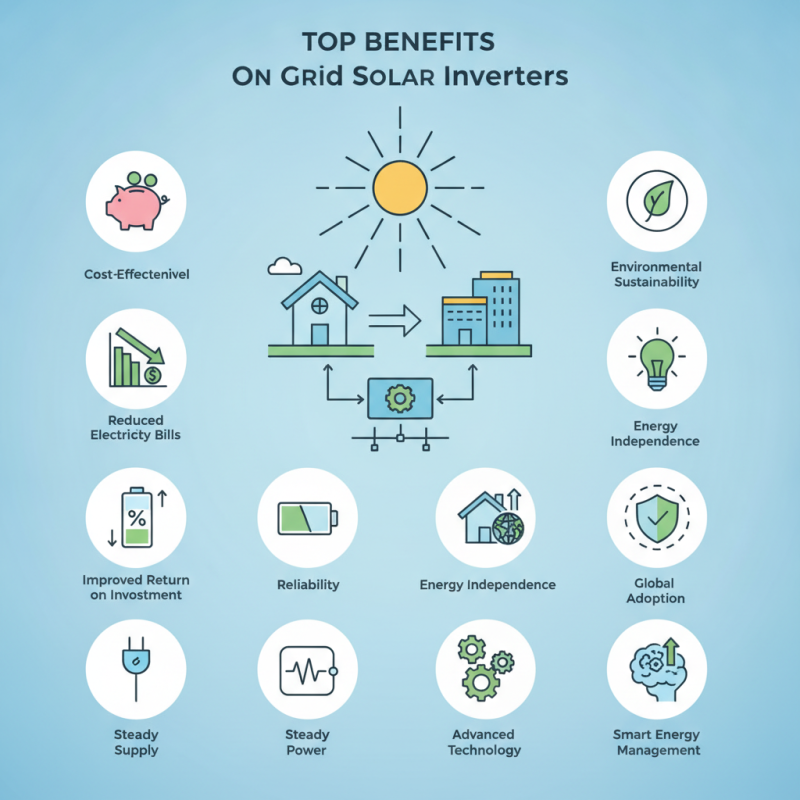
One major benefit of On Grid Solar Inverters is their cost-effectiveness. They can significantly reduce electricity bills. However, the initial investment can be daunting for some buyers. Yet, with advancements in technology, the return on investment has improved over time.
Another important aspect is reliability. On Grid Solar Inverters are designed to operate seamlessly with the electrical grid. This ensures a steady power supply. Still, potential users should consider the variability of solar energy production. Understanding these nuances can guide buyers in their decision-making process. Investing in an On Grid Solar Inverter could be pivotal for both savings and sustainability.
Understanding On-Grid Solar Inverters and Their Functionality
On-grid solar inverters play a crucial role in the solar power system. They convert
direct current (DC) from solar panels into
alternating current (AC), which is usable by homes
and businesses. This functionality allows excess energy to be fed back to the grid,
potentially earning credits or reducing utility bills.
Understanding how on-grid inverters operate is essential for maximizing solar efficiency.
They monitor energy production and can provide real-time data, allowing users to track
performance. Regular checks on system health can prevent inefficiencies. A well-maintained
inverter ensures optimal operation, enhancing overall energy savings.
Tip: Consider investing in monitoring software. It provides insights into energy usage.
Choosing the right inverter can affect performance. Researching specifications and
compatibility with other systems is vital. Pay attention to efficiency ratings to ensure
long-term benefits.
Tip: Check for warranties. A robust warranty can save money on potential repairs.
Inverters can sometimes fail unexpectedly. Overheating or poor ventilation can lead to
issues. Regular maintenance can mitigate these risks, thus avoiding costly downtime.
Cost Savings: Reducing Energy Bills with On-Grid Solar Inverters
On-grid solar inverters offer significant cost savings for homeowners and businesses. A study by the International Renewable Energy Agency (IRENA) shows that solar energy can reduce electricity bills by up to 70%. This is especially beneficial in regions with high energy costs, where consumers feel the impact of rising prices. The initial investment in solar panels often pays off in just a few years through lower monthly bills.
These inverters convert direct current (DC) produced by solar panels into alternating current (AC) used in homes. Installing an on-grid solar inverter can lead to additional savings. Many regions allow consumers to sell excess electricity back to the grid, further offsetting costs. In some cases, homeowners can even make a profit from their solar investment.
Tips: Consider local incentives or rebates. Many governments encourage solar adoption with financial support. Evaluate your home’s energy consumption before investing. This helps tailor the solar system to meet specific needs.
While the financial benefits are clear, some may find the transition daunting. Technical issues or maintenance responsibilities can deter potential solar users. It’s essential to research and choose a reliable installation service. Engaging professional help can mitigate issues and ensure an efficient installation.
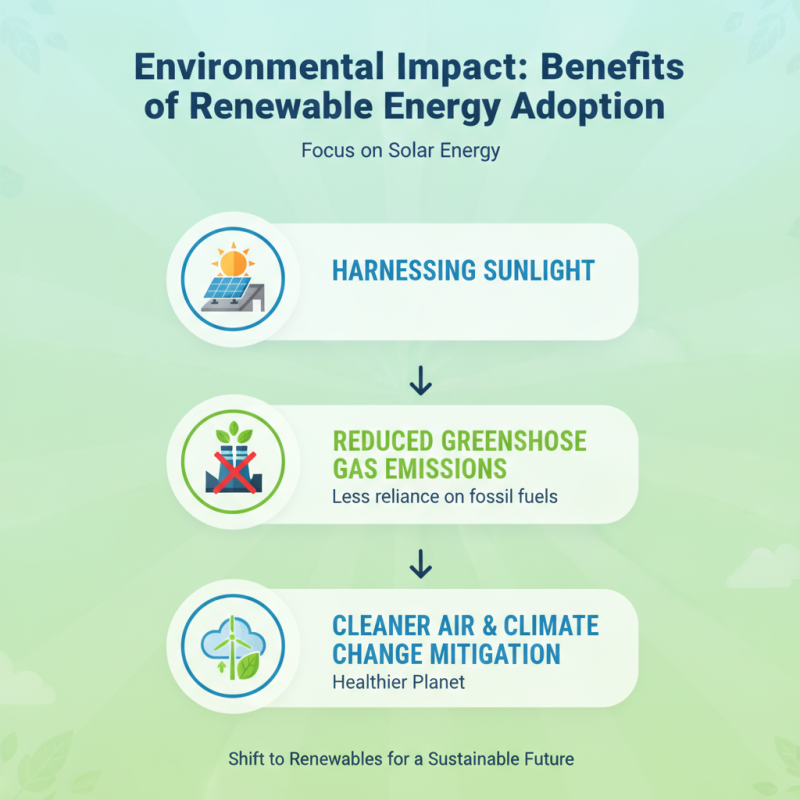
Environmental Impact: Benefits of Renewable Energy Adoption
The shift towards renewable energy sources, particularly solar energy, holds significant environmental benefits. Solar energy reduces greenhouse gas emissions. By harnessing sunlight, we limit our reliance on fossil fuels. This transition contributes to cleaner air and minimizes the impacts of climate change.
Adopting solar technology also leads to a sustainable energy future. It conserves natural resources and helps protect ecosystems. Many animals and plants suffer from habitat destruction due to mining and drilling for fossil fuels. Switching to solar can mitigate these effects.
Tip: Consider the location and orientation of solar panels. This can maximize energy efficiency and enhance solar yield.
Investing in solar energy also creates job opportunities. The solar industry is rapidly growing, providing roles in manufacturing, installation, and maintenance. Local economies can thrive by focusing on clean energy initiatives. Nonetheless, challenges remain, such as the initial costs and the need for effective energy storage solutions.
Tip: Research local incentives. Tax credits or rebates can significantly lower the financial barrier for new solar installations.
Increased Property Value: How Solar Inverters Enhance Real Estate
Investing in solar inverters can significantly improve property value. A report from the National Renewable Energy Laboratory indicates homes equipped with solar energy systems can sell for approximately 17% more than similar homes without such systems. This increase stems from buyers’ preferences for energy-efficient and cost-saving features.
Solar inverters also enhance real estate appeal. They reduce utility bills and promote sustainable living. According to a study by the Lawrence Berkeley National Laboratory, homes with solar panels and inverters have seen property values rise consistently over the decades. Buyers today are increasingly informed and prioritize energy-efficient homes, making solar installations a smart investment.
However, not every property benefits equally from solar inverters. Factors such as location, historical property values, and local regulations can affect resale potential. Also, initial installation costs may deter some buyers. Balancing these factors with potential long-term benefits is essential for homeowners contemplating solar energy.
Top 10 On Grid Solar Inverter Benefits for Global Buyers
This chart illustrates the various benefits of on-grid solar inverters for global buyers, highlighting how these systems can enhance property value and provide other financial and environmental advantages.
Ease of Installation and Maintenance for On-Grid Solar Systems
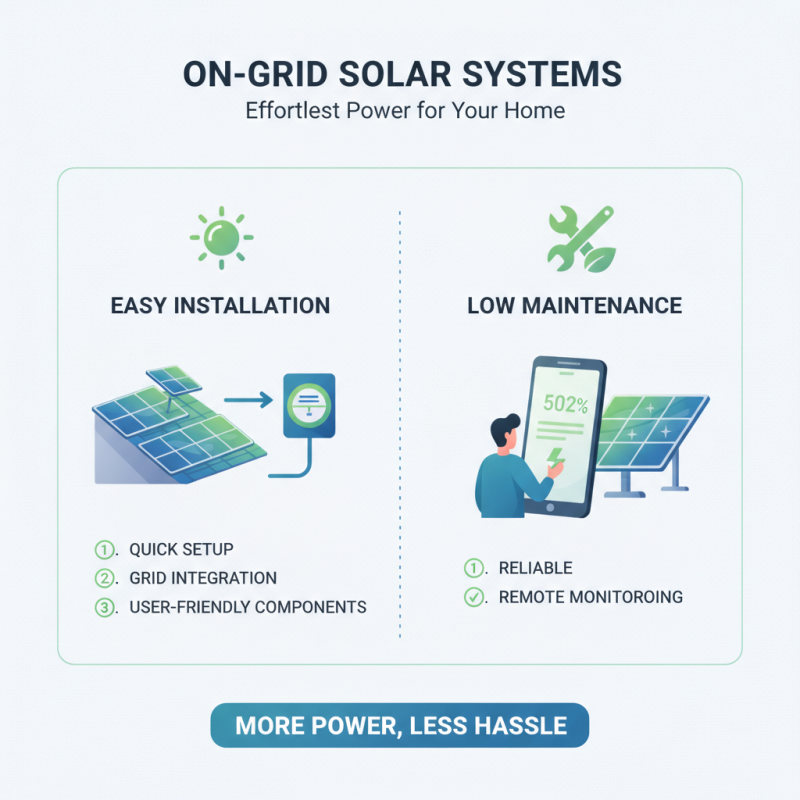
On-grid solar systems offer significant advantages for users who prioritize ease of installation and maintenance. Compared to traditional energy sources, setting up these systems is straightforward. They connect directly to the existing electrical grid, making the integration process smoother. Many users find that the physical components are light and user-friendly. This aspect typically reduces installation time, making it accessible for technicians and homeowners alike.
Maintenance is another crucial factor. On-grid systems generally require minimal upkeep. Regular inspections can uncover potential issues. However, the majority of these systems have self-monitoring features. These features inform users of performance issues promptly. This can lead to quick resolution, often minimizing downtime.
**Tip**: Always choose a qualified installer. An experienced technician can ensure that all components are correctly set up. This step significantly reduces future maintenance concerns.
**Tip**: Regularly check your system monitoring. Monitoring apps provide real-time data. This allows users to track energy production easily. It also highlights any anomalies that need attention.
While on-grid solar systems simplify many processes, some users may still struggle with minor technical aspects. Small issues can arise, but having access to support systems greatly diminishes concerns.