Top 10 Tips for Choosing a Solar Hybrid Inverter?
Choosing a Solar Hybrid Inverter can seem overwhelming. With various options available, making the right choice is essential for your energy needs. A Solar Hybrid Inverter combines solar power and grid electricity, enhancing energy efficiency.
When selecting, consider the inverter's capacity and features. Look for models that suit your household's energy usage. A good inverter will manage energy storage and usage effectively. It should also adapt to solar energy innovations. Pay attention to warranty and support options too; they are often overlooked yet crucial.
Mistakes are common during the selection process. Many rush through their choices, leading to regrets later. It's vital to take your time, research carefully, and reflect on your energy habits. After all, investing in the right Solar Hybrid Inverter can lead to significant savings and a sustainable future.
Understanding Solar Hybrid Inverters and Their Functionality
Understanding solar hybrid inverters is crucial for those considering solar energy solutions. These devices combine traditional power sources with renewable energy, providing flexibility and efficiency. They convert solar energy into usable electricity while also integrating with the grid and backup generators. According to a recent market analysis, the global hybrid inverter market is projected to grow by 20.2% from 2023 to 2030.
When choosing a solar hybrid inverter, pay attention to efficiency ratings. Higher efficiency translates to more solar energy converted into electricity. Look for inverters with at least 90% efficiency. Additionally, consider the power output. It should match your energy needs. A mismatch means wasted potential or insufficient power during peak hours.
Beware of features that may seem appealing but are unnecessary. Some inverters offer complex monitoring systems that can drive up costs without adding real value. Prioritize essential features over fancy extras. Don’t forget about warranties. A solid warranty reflects the manufacturer's confidence in their product. Generally, a warranty of at least five years is a good starting point.
Top 10 Tips for Choosing a Solar Hybrid Inverter
| Tip |
Description |
| 1. Evaluate Your Power Needs |
Assess the total power consumption of your home to choose the right inverter size. |
| 2. Check Compatibility |
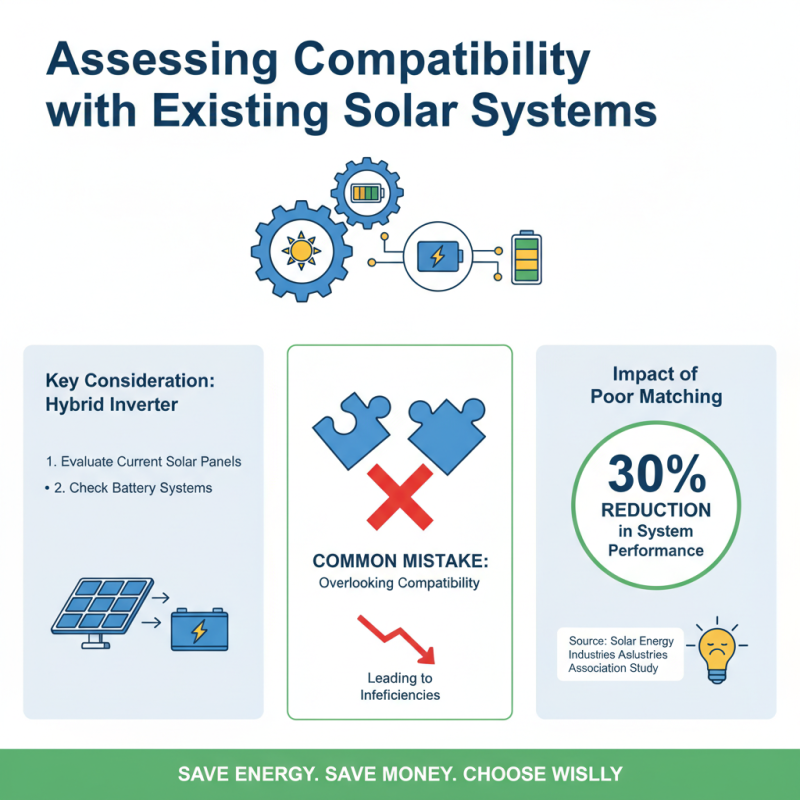
Ensure the inverter is compatible with your solar panels and battery system. |
| 3. Research Inverter Types |
Understand the differences between string inverters, microinverters, and hybrid inverters. |
| 4. Look for Efficiency Ratings |
Choose inverters with high efficiency ratings for better energy conversion. |
| 5. Assess Warranty Terms |
Select inverters with a robust warranty for long-term reliability and support. |
| 6. Consider Additional Features |
Look for features such as monitoring capabilities and smart grid functionality. |
| 7. Evaluate Installed System Options |
Consider if you need a grid-tied, off-grid, or hybrid system based on your location. |
| 8. Examine Cooling and Protection Features |
Ensure the inverter has good cooling mechanisms and protection against over-voltage. |
| 9. Read Customer Reviews |
Check user reviews and ratings to assess reliability and performance in real-world settings. |
| 10. Consult with Professionals |
Seek advice from solar professionals to help with the selection process. |
Evaluating Your Power Needs and Usage Patterns
Understanding your power needs is crucial when choosing a solar hybrid inverter. Start by assessing your daily energy consumption. Track how much power your appliances use. Use a simple notebook or an app to log data. Pay attention to peak usage times. This information will guide your decision.
Consider your lifestyle patterns. Are you home during the day? How often do you use high-power devices? Flexible power usage can influence your choice. It might be wise to prioritize essential appliances during peak hours. Many people overlook the variability in their routines. This can lead to mismatched inverter capacities.
Accuracy in energy predictions is challenging. Energy audits can be helpful but might be underestimated. Review your electricity bills for a monthly overview. This could reflect seasonal changes in usage. However, don’t just rely on past data. Anticipate future needs. An unexpected addition to your household can require more power. That’s something everyone should think about.
Comparing Inverter Features: Efficiency, Warranty, and Connectivity
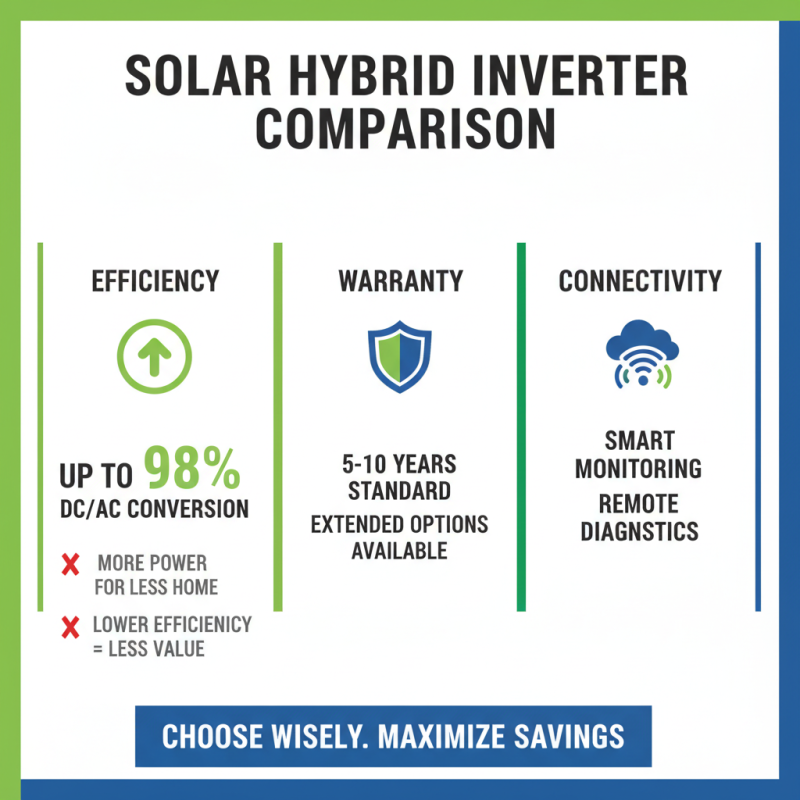
When choosing a solar hybrid inverter, efficiency is a key factor. Reports show that high-efficiency inverters can convert up to 98% of DC power to AC. This means more power for your home. However, not all inverters achieve this level. Some models may fall short, giving you less value. Look at the efficiency ratings carefully. The difference in output can be significant over time.
Warranty is another critical aspect. Many manufacturers offer warranties ranging from five to fifteen years. A long warranty often indicates trust in the product. Yet, even the longest warranties can have fine print. Consumers should understand the terms and conditions. Coverage may not include all types of failures. Researching warranty specifics can save you headaches later.
Connectivity features also matter. Modern inverters come with monitoring apps that provide real-time data. This allows users to track energy production easily. However, not all apps are user-friendly. Some may have issues with connectivity or data accuracy. Look for reviews on app performance. Ensure you choose an inverter that meets your technological needs.
Researching Brand Reputation and Customer Reviews for Reliability
When selecting a solar hybrid inverter, assessing brand reputation is crucial. Reviews from actual users reveal a lot about reliability. Look for feedback on performance under different conditions. Is the product efficient during peak hours? Are there any frequent complaints about its durability? These questions can guide your choice.
You can dive into online forums and customer feedback platforms. They often provide unfiltered opinions. Some customers share their frustrations after a few months of use. This insight can be eye-opening. Do most users find the inverter reliable, or do some regret their purchase?
It's also wise to check how the brand responds to complaints. Do they acknowledge issues? Are they quick to provide support? A brand’s willingness to engage with customers says a lot about its values. Consider this when making your decision. Balancing positive reviews with critical insights will ensure you choose wisely.
Top 10 Tips for Choosing a Solar Hybrid Inverter