What to Consider When Buying a Hybrid Inverter 5kw?
When considering a Hybrid Inverter 5kw, it's essential to understand various factors that influence your purchase. The right inverter can significantly impact your energy efficiency and overall power management. Hybrid inverters are celebrated for their versatility. They can integrate solar energy storage and grid power seamlessly. This flexibility can lead to reduced energy bills and improved energy independence.
You should analyze your energy needs carefully. Evaluate the power consumption of your home or business. Think about whether the 5kw capacity is sufficient. Some users find their requirements exceed this limit, which can lead to frustrations. A mismatch between needs and inverter capacity can hinder performance.
Additionally, pay attention to brand reputation and warranty. Reputable brands often provide better customer support and reliability. Check reviews and case studies to gauge real-world performance. A thoughtful approach toward these aspects will ensure a more satisfying investment in a Hybrid Inverter 5kw. The journey of finding an inverter isn't straightforward. It requires reflection and research.
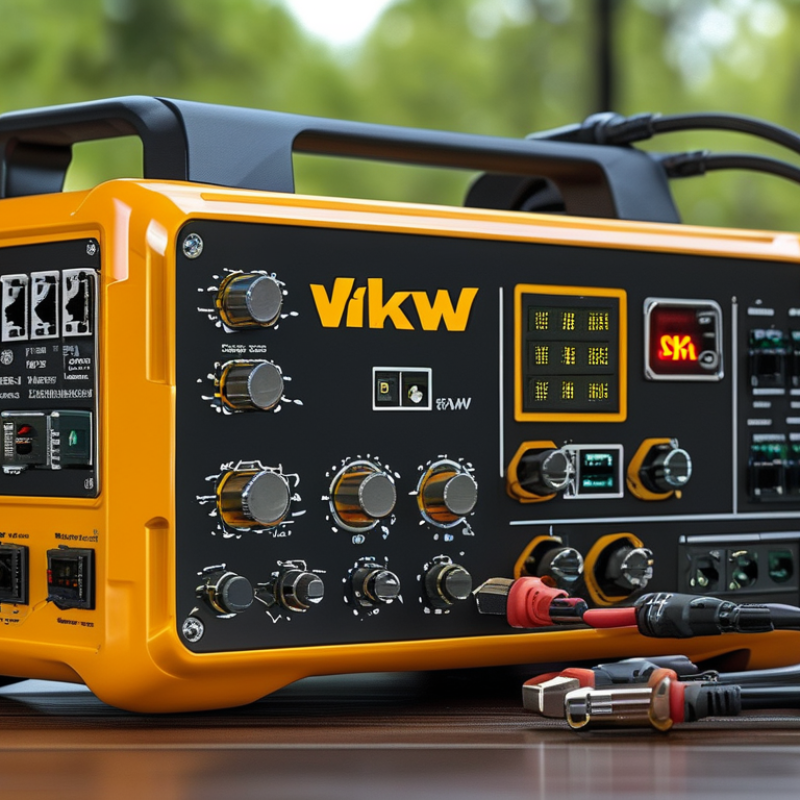
Understanding Hybrid Inverters: Overview and Key Features
Hybrid inverters are gaining popularity for their versatility and efficiency. These devices blend energy from solar panels and the grid, providing a seamless power supply. Understanding their key features is essential for making an informed purchase.
One significant aspect of hybrid inverters is their ability to manage energy flow. They can store excess energy in batteries for later use. This capability is crucial during power outages. However, not all hybrid inverters offer the same level of battery compatibility. It's important to check which batteries work best with your chosen inverter. Also, some may have limitations on the size of the solar system they can handle effectively.
Another factor to consider is efficiency ratings. Higher efficiency means more power conversion from solar energy. Look for inverters with high efficiency ratings to maximize your energy savings. However, it’s worth noting that efficiency can vary based on environmental conditions. Regular monitoring and adjustments are necessary to maintain optimal performance. Consider these factors carefully to ensure your hybrid inverter meets your long-term energy needs.
Evaluating Power Output: Importance of a 5kW Rating
When considering a hybrid inverter with a 5kW rating, power output is crucial. A 5kW inverter typically supports residential applications, including solar panel setups. According to industry reports, this capacity can power essential appliances like refrigerators, air conditioners, and lighting circuits effectively. However, the actual performance can vary based on factors like solar input, battery size, and load demand.
Energy efficiency is another aspect to evaluate. A 5kW inverter should convert energy with minimal loss. Data suggests that high-quality models can achieve efficiencies above 95%. Yet, it’s essential to remember that not all inverters meet this benchmark. Some may fall short during peak usage, leading to unexpected outages.
Battery compatibility plays a significant role in system performance. Incompatible batteries can hinder output and charge cycles. Experts recommend reviewing the inverter's specifications to ensure seamless integration. Incorrect pairing could result in inefficient power supply, ultimately impacting household energy management. Careful evaluation is necessary to avoid costly mistakes.
Efficiency Ratings and Performance Metrics in Hybrid Inverters
When buying a 5kW hybrid inverter, efficiency ratings and performance metrics are crucial. These metrics help you understand how well the inverter converts energy. Look for inverters with high efficiency ratings, typically above 90%. A higher rating often leads to better energy savings. This efficiency can significantly lower your electricity bill over time.
Consider the inverter's performance under various conditions. Some inverters excel in direct sunlight, while others may struggle. It's essential to assess how your chosen model performs at different times of the day. You might notice fluctuations in output, which can affect your overall energy needs. Real-world reviews can provide insights into performance. Evaluate metrics such as peak efficiency and load handling.
**Tips:** Always check product warranties and support options. Reliable manufacturers usually offer better assistance. Research online forums to learn about user experiences. Remember, the inverter's durability matters too. Look for models made from high-quality materials that can withstand the elements.
What to Consider When Buying a Hybrid Inverter 5kw? - Efficiency Ratings and Performance Metrics in Hybrid Inverters
| Feature |
Metric |
Value |
| Efficiency Rating |
Peak Efficiency |
95% |
| Total Harmonic Distortion (THD) |
Maximum THD |
3% |
| Input Voltage Range |
Minimum - Maximum |
120V - 450V |
| Output Power |
Continuous Output |
5000W |
| Battery Compatibility |
Supported Battery Types |
Li-ion, Lead Acid |
| Monitoring Features |
Type of Monitoring |
Wi-Fi Enabled |
| Dimensions |
Size (L x W x H) |
500mm x 300mm x 150mm |
| Weight |
Weight |
25kg |
| Warranty Period |
Duration |
5 Years |
Comparative Analysis: Grid-Tied vs. Off-Grid Hybrid Inverters
When choosing between grid-tied and off-grid hybrid inverters, there are several crucial aspects to consider. Grid-tied systems connect directly to the utility grid. They allow homeowners to utilize solar power while drawing from the grid when needed. Reports indicate that grid-tied systems can reduce electricity bills by up to 50%. Moreover, these systems often benefit from net metering, where surplus energy is sold back to the grid.
On the other hand, off-grid hybrid inverters operate independently of the grid. They store energy in batteries for later use. This option is ideal for remote locations lacking grid access. Research suggests that installation costs for off-grid systems are about 30% higher due to added battery storage. However, they offer energy independence. Users won’t face power outages caused by grid failures. Thus, while off-grid inverters provide reliability, they do require a more significant initial investment and ongoing maintenance.
Choosing the right inverter involves weighing these factors against your specific needs. Consider your long-term energy goals and budget. A well-informed choice will ensure you get a system that meets your lifestyle and energy requirements effectively. But be cautious, as poorly sized systems can lead to inefficiencies and increased costs.
Investment Considerations: Costs, Benefits, and Long-Term Savings
When considering the purchase of a 5kW hybrid inverter, investment aspects are crucial. The upfront cost can vary widely based on features and efficiency. It's important to analyze your budget carefully. Potential savings on energy bills can offset these initial expenses. However, the payoff period can be longer than expected, so plan accordingly.
The benefits of a hybrid inverter include flexibility in energy use. These inverters combine solar energy with grid power, offering resilience during outages. Yet, the effectiveness depends on your local solar conditions and energy consumption patterns. Assessing your home’s energy needs is essential for optimized savings.
Long-term savings can be significant, but they require careful monitoring of energy consumption. While the promise of reduced electricity bills is attractive, fluctuating energy prices can influence savings. Reflect on your energy habits and be prepared to adjust them. A well-planned investment in a hybrid inverter can not only save money but also promote sustainability at home.