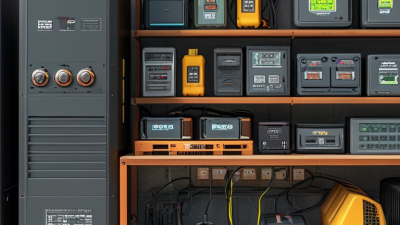
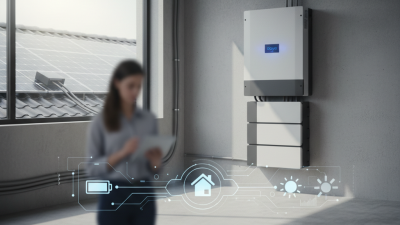
Choosing the best Lithium Battery 15kw system requires more than comparing price tags. A 15kW rating describes maximum power output, not stored energy. Capacity, measured in kilowatt-hours, determines how long the system can operate. This distinction is often overlooked. A battery delivering 15kW for one hour needs roughly 15kWh of usable capacity, before efficiency losses. Real applications also demand careful checks on voltage, inverter compatibility, cycle life, thermal management, and installation conditions.
Industry data shows why selection matters. The International Energy Agency reported that global battery demand reached approximately 750GWh in 2023, driven by electric vehicles and energy storage. BloombergNEF reported that average lithium-ion pack prices fell to about $139 per kWh in 2023. Lower prices help buyers, but they do not guarantee better performance. Cell chemistry, warranty terms, depth of discharge, and service support still shape lifetime value. A cheaper system may become expensive when capacity fades quickly or replacement parts are unavailable.
Nobel laureate M. Stanley Whittingham described lithium batteries as “a very complicated device.” That warning remains useful for today’s buyers. The best Lithium Battery 15kw solution should match actual load patterns, such as pumps, workshop tools, or evening household demand. Measure peak loads carefully. Review the datasheet twice. Safety certification and qualified installation deserve equal attention. Some choices may still involve uncertainty, especially when supplier data lacks independent testing. A reliable decision compares verified specifications, not impressive marketing claims.
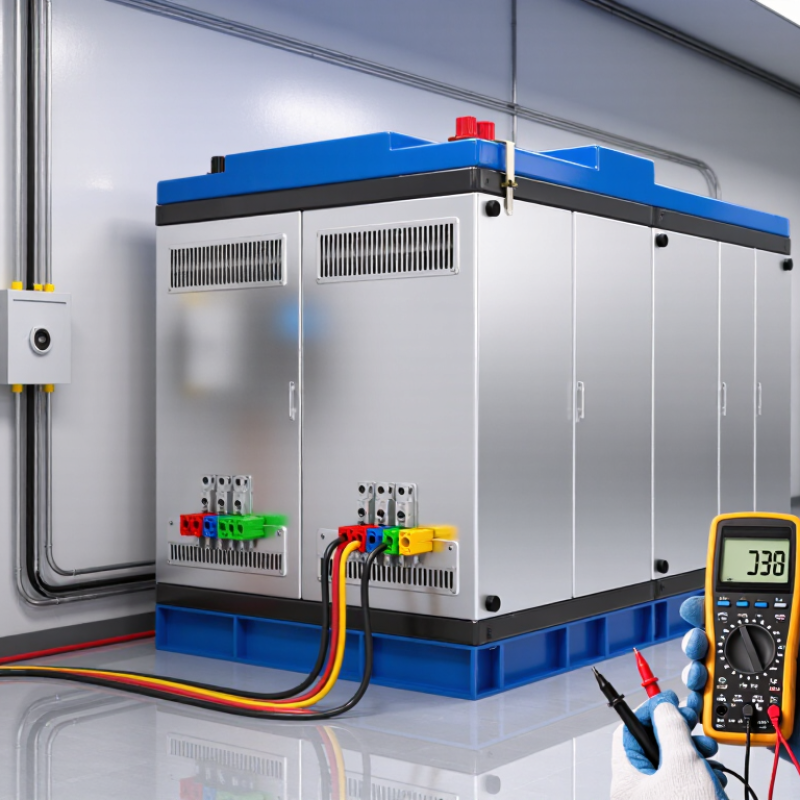
A 15kW lithium battery is often misunderstood because kW and kWh describe different needs. Power measures how much electricity the system delivers at one moment. Energy measures how long it can sustain that output.
Start with a load list. Record refrigerators, pumps, heating equipment, chargers, and essential circuits. Note their running watts and starting surges.
A pump rated at 2kW may briefly demand twice that amount. Those seconds matter.
Estimate daily energy by multiplying each load’s kW by its operating hours. For example, a 5kW load running four hours needs about 20kWh before losses.
Allow room for inverter losses, battery reserve, temperature changes, and future expansion. If you need 20kWh usable, a battery rated at 25kWh may be more realistic.
That figure assumes the permitted depth of discharge is respected. Check the inverter’s continuous and peak ratings separately.
A 15kW battery paired with a smaller inverter may not support a 15kW appliance load.
During site evaluations, I compare measured consumption with utility records whenever possible. Measurements beat guesses.
A clamp meter can reveal hidden nighttime demand, while a week-long log exposes seasonal habits.
Verify charge rates, ambient temperature limits, enclosure requirements, and protection equipment with qualified electrical professionals. Local installation rules still apply.
One imperfect assumption can change the battery size, so document every estimate and revisit it after real-world use.
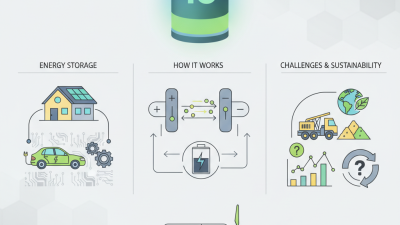
A 15kW rating describes output power, not stored energy. At 51.2V, a 15kW load draws about 293 amps. At 400V, it draws only 37.5 amps. Higher voltage usually reduces cable size, heat, and voltage drop. However, the inverter and protection equipment must support that voltage. Field installations often fail at this matching stage.
Chemistry affects safety, lifespan, and usable capacity. Lithium iron phosphate cells offer strong thermal stability and long cycle life. Nickel-manganese-cobalt cells usually provide higher energy density, but require stricter thermal management. The International Energy Agency reported that LFP batteries represented about 40% of the global electric-car battery market in 2023. It also noted their cost advantage over nickel-based chemistries. Stationary systems may value durability more than compact size. That choice is not automatic.
Calculate usable energy, not the nameplate number. A 60kWh battery with 90% depth of discharge and 95% system efficiency delivers about 51.3kWh. A 15kW load would use that energy in roughly 3.4 hours. BloombergNEF reported an average lithium-ion pack price of 115 dollars per kWh in 2024, but installed storage costs are higher. A neat spreadsheet can still mislead. In practice, temperature, aging, reserve settings, and peak loads reduce available energy. Leave room for those losses.
A 15kW lithium battery must match the inverter’s voltage range and maximum current. The label alone is not enough. Check whether “15kW” means output power, storage capacity, or a marketing estimate. These are different specifications. A 15kWh battery stores energy, while a 15kW rating describes power delivery. I have seen systems fail during startup because the battery handled normal loads but not the inverter’s surge demand.
Check the inverter’s continuous and peak current requirements. Then compare them with the battery’s continuous discharge rating and BMS protection limits. The battery should communicate correctly through supported CAN or RS485 settings. Otherwise, charging may stop early or fault codes may appear. Small details matter. Confirm lithium charging voltage, temperature limits, and shutdown behavior. A charger designed for another chemistry can damage cells or trigger protection. Some installation plans overlook cold-weather charging, which can be a serious weakness.
The electrical system also needs careful inspection. Size cables for current, distance, insulation, and heat exposure. Use suitable fuses, disconnects, grounding, and overcurrent protection. The battery enclosure should remain dry, ventilated, and accessible for service. A qualified installer should verify the distribution panel, transfer equipment, and local electrical requirements. Do not assume an existing system is ready. I would record measured voltage, cable length, breaker ratings, and inverter settings before purchase. Even experienced installers can miss one setting.
How to Choose the Best 15kW Lithium Battery?
A 15kW rating describes output, not stored energy. Check usable kilowatt-hours for your daily loads. For safety, look for lithium iron phosphate chemistry, a responsive battery management system, and temperature monitoring. Overcurrent, overcharge, and short-circuit protection should operate automatically. The enclosure also needs suitable resistance to dust and moisture. Confirm required certifications for your installation location. Check the fine print.
Lifespan depends on cycle depth, operating temperature, charging habits, and regular loading. Ask for expected cycles at a stated depth of discharge, not a vague “long life” claim. A warranty should specify years, energy throughput, minimum retained capacity, and replacement procedures. Some terms sound generous but exclude heavy cycling. I would not judge quality from cycle count alone. Real conditions change. That matters.
Maintenance should be simple, but never ignored. Review system alerts monthly and keep vents clear of dust. Inspect cables, terminals, and visible swelling during scheduled servicing. Do not guess. A qualified technician should verify connections and firmware updates. Cold or poorly ventilated locations may reduce performance and shorten service life. It is easy to underestimate installation quality. A well-designed battery can still disappoint when exposed to heat, unstable loads, or careless commissioning. Keep service records, including temperatures, alarms, and capacity tests. Small details matter.
Safety features, lifespan, warranty, and maintenance benchmark
This screening benchmark uses representative lithium battery market values rather than any company or brand data. A suitable 15kW system should typically include six core protection functions, around 5,000 charge cycles, an approximately 8-year warranty, and about one scheduled maintenance inspection per year.
Actual results depend on battery chemistry, depth of discharge, operating temperature, installation quality, charging controls, and the supplier’s warranty terms. Always verify the product datasheet and service agreement.
How to Choose the Best 15kW Lithium Battery?
A 15kW rating usually describes power output, not stored energy. Clarify both figures before comparing prices. A battery delivering 15kW for one hour needs about 15kWh of usable capacity. Your actual demand may require more. List large loads, such as pumps, heating systems, and workshop tools. Include their starting currents. A rough spreadsheet can mislead you.
Cost should include the battery, inverter, cables, protection equipment, labor, and future maintenance. Compare usable kilowatt-hours, round-trip efficiency, cycle life, and warranty terms. A cheaper unit may cost more if it loses capacity quickly. Ask for an itemized quotation. Check whether monitoring equipment is included. Small omissions can become expensive surprises.
Installation quality affects safety and performance. Choose a dry, accessible location with suitable temperature control and clearance. Have a qualified installer verify wiring, load balance, communication settings, and local electrical requirements. Expansion deserves equal attention. Select a system that supports additional modules and has enough inverter capacity. New modules may not match older ones perfectly. That detail is easy to overlook. Plan the cable routes and wall space now, even if you start with one battery cabinet. My recommendation may change after measuring real loads, because household habits often differ from estimates.
| Configuration | Usable Energy | Battery Chemistry | Continuous Output | Typical Installed Cost (USD) | Approximate Footprint | Installation Requirements | Future Expansion | Best Use Case |
|---|---|---|---|---|---|---|---|---|
| 15 kW / 15 kWh | Approximately 13.5–15 kWh, depending on the selected depth of discharge | Lithium iron phosphate (LFP) | 15 kW for about 1 hour at full load | $9,000–$14,000 | About 0.6–0.9 m² of floor or wall area | Suitable for a compact indoor or outdoor installation; requires compatible inverter, overcurrent protection, disconnects, grounding, and local code compliance | Usually limited to one additional module or parallel unit; confirm inverter and battery communication limits before purchase | Short-duration peak shaving, backup for essential circuits, and small commercial loads |
| 15 kW / 30 kWh Balanced Choice |
Approximately 27–30 kWh | Lithium iron phosphate (LFP) | 15 kW for about 2 hours at full load | $15,000–$23,000 | About 0.9–1.4 m², depending on cabinet and clearance requirements | Requires a properly sized inverter, battery management system, ventilation or temperature control as specified by the equipment manufacturer, and professional commissioning | Good expansion potential when the inverter supports parallel battery strings or additional cabinets | Most homes with high evening consumption, small offices, retail sites, and solar self-consumption |
| 15 kW / 45 kWh | Approximately 40.5–45 kWh | Lithium iron phosphate (LFP) | 15 kW for about 3 hours at full load | $21,000–$32,000 | About 1.3–2.0 m² plus required service and maintenance clearance | May require a dedicated utility or equipment room, larger cable sizes, additional fire-safety provisions, and more detailed load calculations | Strong option for phased growth if the system is modular and the inverter has sufficient current and capacity headroom | Longer backup periods, high solar export reduction, and small industrial or agricultural loads |
| 15 kW / 60 kWh | Approximately 54–60 kWh | Lithium iron phosphate (LFP) | 15 kW for about 4 hours at full load | $28,000–$42,000 | About 1.8–2.8 m² plus access, ventilation, and safety clearance | Typically needs a professionally designed electrical installation, thermal management, emergency isolation, monitoring, and permitting where required | Best when long-term capacity is planned from the beginning; oversizing the inverter or switchgear may improve future flexibility | Critical-load backup, demand-charge management, and sites with frequent grid interruptions |
| Modular 15 kW System with Expandable Cabinets | 15–100+ kWh, depending on the number of modules | Usually LFP; verify the cell format, battery management system, and operating temperature range | 15 kW initially; additional battery cabinets increase energy duration rather than automatically increasing inverter power | $11,000–$45,000+, depending on capacity and installation complexity | Scales according to the number of cabinets; allow service access between units | Requires compatible communication protocols, matching battery modules, coordinated protection settings, and installer approval for each expansion stage | Highest flexibility when the product supports parallel operation, capacity balancing, and documented expansion limits | Users expecting higher energy demand, staged solar growth, or future electric-vehicle charging |
| High-Voltage 15 kW System | Typically 20–60 kWh | Lithium iron phosphate (LFP) | 15 kW with lower current on the battery-side cabling than an equivalent low-voltage system | $16,000–$35,000 | About 0.8–2.5 m², depending on battery voltage and cabinet design | Requires a compatible high-voltage inverter, trained installation personnel, appropriate isolation equipment, and strict adherence to electrical safety procedures | Expansion is practical only within the approved voltage, current, and module-count range | Commercial installations where cable efficiency, compact design, and higher system voltage are priorities |
| Selection note: Cost ranges are indicative market estimates for complete battery-system equipment and typical installation in the United States; actual prices vary by region, permits, labor, inverter compatibility, electrical upgrades, and fire-safety requirements. A 15 kW rating describes power output, while kWh describes stored energy. Confirm usable capacity, continuous and peak power, operating temperature, warranty terms, certifications, and permitted expansion limits before purchase. | ||||||||