Top 10 Benefits of Using Solar Hybrid Inverters for Your Home?
In the quest for sustainable energy, the Solar Hybrid Inverter has gained significant attention. Renowned expert Dr. Jane Thompson, a leader in renewable energy systems, states, "Solar Hybrid Inverters provide a unique blend of efficiency and flexibility." This technology merges solar energy and battery storage, creating robust home energy solutions.
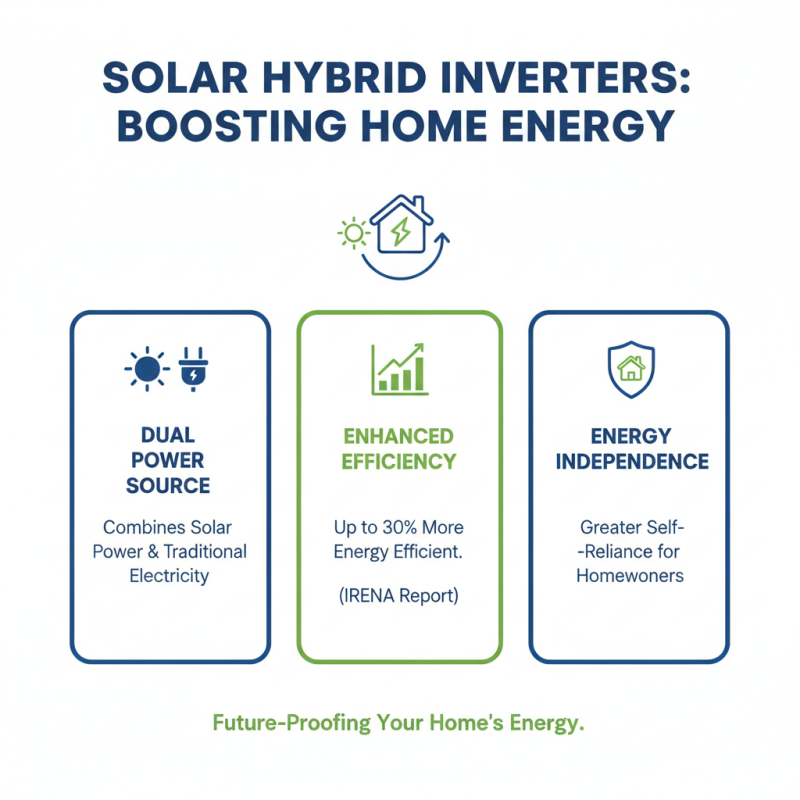
The benefits of using a Solar Hybrid Inverter are numerous. They offer energy independence by maximizing solar energy utilization. Homeowners can experience lower electricity bills and reduced reliance on the grid. Additionally, these inverters play a crucial role in providing backup power during outages.
However, the cost and complexity can be barriers for some consumers. Investing in a Solar Hybrid Inverter may not be feasible for everyone, and the technology requires careful consideration. Moreover, understanding the maintenance needs is essential for optimal performance. A Solar Hybrid Inverter can reshape energy consumption, but it’s essential to weigh the pros and cons carefully.
Advantages of Enhanced Energy Management with Solar Hybrid Inverters
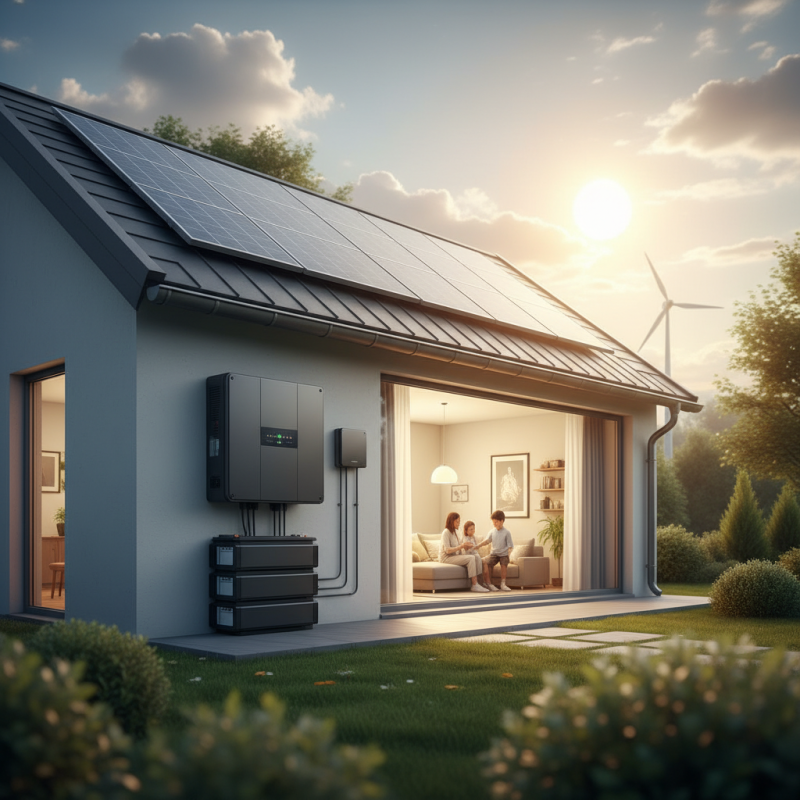
Solar hybrid inverters are transforming home energy management. They enable efficient use of solar power alongside the grid. According to the Solar Energy Industries Association, homes with solar can save up to $1,000 annually on electricity bills. However, utilizing hybrid systems can maximize these savings even further.
These inverters facilitate better energy distribution. They adjust output based on real-time consumption. For instance, they can store excess energy generated during sunny days. This stored energy can be used at night or during cloudy weather, offering reliability. A study by the National Renewable Energy Laboratory found that households using hybrid inverters can reduce energy costs by as much as 30% during peak hours.
There are challenges to consider as well. Initial investment costs can be high, and maintenance can be tricky for some users. Users need to monitor energy usage carefully. Understanding your consumption patterns is crucial. Despite these hurdles, hybrid inverters provide a pathway to energy independence and sustainability. Embracing this technology can lead to significant benefits for homeowners adapting to energy needs.
Cost Savings on Electricity Bills Using Solar Hybrid Inverters
Many homeowners are looking for ways to lower their electricity bills.
Solar hybrid inverters offer a compelling solution.
With these devices, you can harness solar energy while still using grid power when needed.
This flexibility can lead to significant cost savings.
Using solar hybrid inverters can decrease your reliance on conventional energy sources.
As electricity prices continue to rise, this technology provides a buffer.
Homeowners have reported reductions in their monthly utility bills.
It’s not just about saving money; it’s also about energy independence.
However, the initial cost can be daunting for some.
Not every home is perfect for solar technology.
Roof orientation, shading, and system size can all impact effectiveness.
Yet, many find the long-term savings justify the investment.
Evaluating your energy consumption is essential.
It helps to determine if this system suits your needs.
Balancing costs with potential benefits can lead to more informed decisions.
Environmental Benefits of Adopting Solar Hybrid Inverters in Homes
The adoption of solar hybrid inverters in homes can lead to significant environmental benefits. By harnessing both solar energy and grid power, these systems reduce reliance on fossil fuels. This shift lowers greenhouse gas emissions, contributing to a cleaner atmosphere. Every bit of energy saved helps combat climate change. Solar energy is renewable and plentiful, making it a sustainable choice for powering homes.
Moreover, solar hybrid inverters minimize energy waste. Many systems are designed to store excess energy for later use. This efficiency means less energy is pulled from the grid during peak hours, reducing strain on electrical systems. People often overlook the impact of energy consumption habits. Small changes can lead to big results.
However, there's still a need for improvement. Not all homes are suitable for solar technology due to space or shading issues. Some may find initial costs daunting. It's important to weigh benefits against challenges. Reflecting on personal energy use can help make informed decisions. The transition to solar hybrid inverters is a step toward a more sustainable lifestyle, even if it involves hurdles.
Top 10 Benefits of Using Solar Hybrid Inverters for Your Home
Increased Energy Independence with Solar Hybrid Inverters for Families
Solar hybrid inverters provide a significant boost to energy independence for families. By integrating solar power with traditional electricity sources, these systems can optimize energy usage. Families can generate their own electricity, reducing reliance on the grid. This can lower electricity bills and increase self-sufficiency.
Yet, achieving energy independence through solar hybrid inverters isn't without challenges. Installation requires a moderate investment, which some families might find daunting. Furthermore, energy production can vary greatly with weather conditions. On cloudy days, families might still depend on grid power. This inconsistency can lead to dependency frustrations.
However, the long-term benefits often outweigh the challenges. Families can enjoy a more sustainable lifestyle. Increased energy independence means less vulnerability to rising energy costs. They can store excess energy for later use, ensuring they have power when they need it most. Embracing solar hybrid technology can empower families to take control of their energy future, albeit with some hurdles along the way.