2026 Energy Storage Container Opportunities at 139th Canton Fair?
The upcoming 139th Canton Fair in 2026 presents significant opportunities for the "Energy Storage Container" industry. With the growing demand for renewable energy solutions, market analysts predict a robust evolution in energy storage systems. According to a report by Research and Markets, the global energy storage market is expected to reach $540 billion by 2027. This surge is driven by increased adoption of electric vehicles and renewable energy sources.
Expert Dr. Emily Chen, a leading figure in energy solutions, stated, "The future of energy storage relies on innovation in container technology." Her insights underline the potential for advancements that enhance efficiency and sustainability in energy management. As the fair introduces AI-driven search capabilities, buyers will efficiently find certified suppliers and navigate the extensive exhibition halls.
However, challenges remain. The complexity of integrating new technologies can overwhelm some manufacturers. Many are still adapting to market demands and regulatory standards. It's crucial that stakeholders reflect on their strategies to remain competitive. The Energy Storage Container sector is on the precipice of transformation, ready to seize the opportunities presented at this essential trade event.
2026 Energy Storage Container Overview and Market Trends
The energy storage container market is evolving rapidly. By 2026, the global energy storage capacity is projected to exceed 300 GWh. This significant growth highlights the need for innovative energy solutions. As sustainability becomes a priority, energy storage solutions will play a crucial role in balancing supply and demand.
The Canton Fair has always been a hub for discovering emerging trends. Exhibitors will showcase advanced technologies and new designs. The demand for modular and scalable energy storage solutions is rising. Industry reports indicate that lithium-ion systems dominate, making up around 70% of the market. However, challenges like recycling and sustainability remain prevalent.
**Tip:** Consider the importance of labeling and energy efficiency. Clear information can guide consumer choices. Additionally, as market dynamics shift, staying informed on evolving regulations is essential. Adjustments to policies and standards may impact manufacturing practices.
2026 Energy Storage Container Market Trends
The chart above illustrates the projected growth of global energy storage capacity from 2021 to 2026. As demand for energy storage solutions increases, we expect to see a significant rise in capacity, particularly with advancements in technology and shifts toward renewable energy sources.
Key Players in the Energy Storage Container Industry
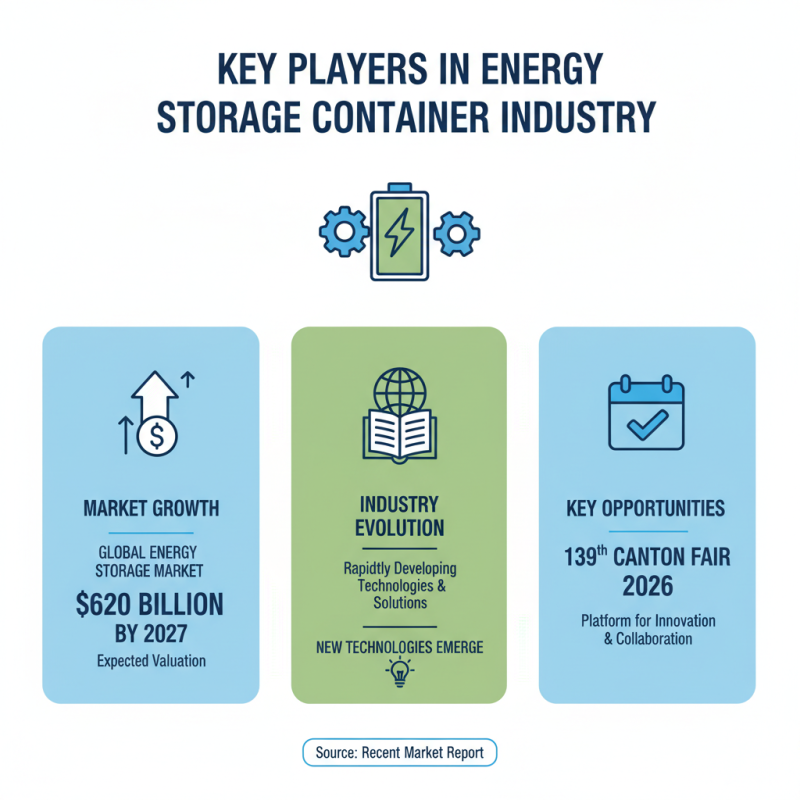
The energy storage container industry is evolving rapidly. According to a recent market report, the global energy storage market is expected to reach $620 billion by 2027. This growth indicates significant opportunities at events like the 139th Canton Fair in 2026. As new technologies emerge, we witness rising interests in various energy storage solutions.
Key players in this industry focus on scalability and efficiency. There is a notable demand for portable energy storage. Innovations in lithium-ion and solid-state batteries are driving most of the competition. Despite these advances, challenges persist. Cost remains a barrier for widespread adoption. Many businesses grapple with balancing performance and affordability.
The potential for energy storage containers is immense. They can support renewable energy sources, providing flexibility and reliability. Yet, companies must continually reflect on their practices. Sustainability in production and materials often lacks attention. Addressing these concerns will be crucial for future market leaders.
Technological Innovations in Energy Storage Solutions
The 139th Canton Fair in 2026 presents a vibrant opportunity to explore energy storage solutions. With the growing demand for clean energy, technological innovations will take center stage. Exhibitors will showcase various designs, increasing efficiency and reducing costs. These innovations promise better energy density and longer life cycles.
One key focus is the integration of smart technologies in energy storage containers. Using sensors and IoT devices, these containers can monitor performance in real-time. This feedback loop helps improve energy management. However, potential obstacles include the high initial investment and the learning curve for users. Manufacturers need to address these concerns to facilitate wider adoption.
Developers are also experimenting with sustainable materials. This shift is essential for minimizing environmental impact. Yet, achieving balance between cost and sustainability often leads to compromises. Finding the right materials without sacrificing performance remains a challenge. This ongoing development illustrates the innovative spirit driving the energy sector forward. The Canton Fair will be an exciting platform for these evolving ideas.
Investment Opportunities at the 139th Canton Fair
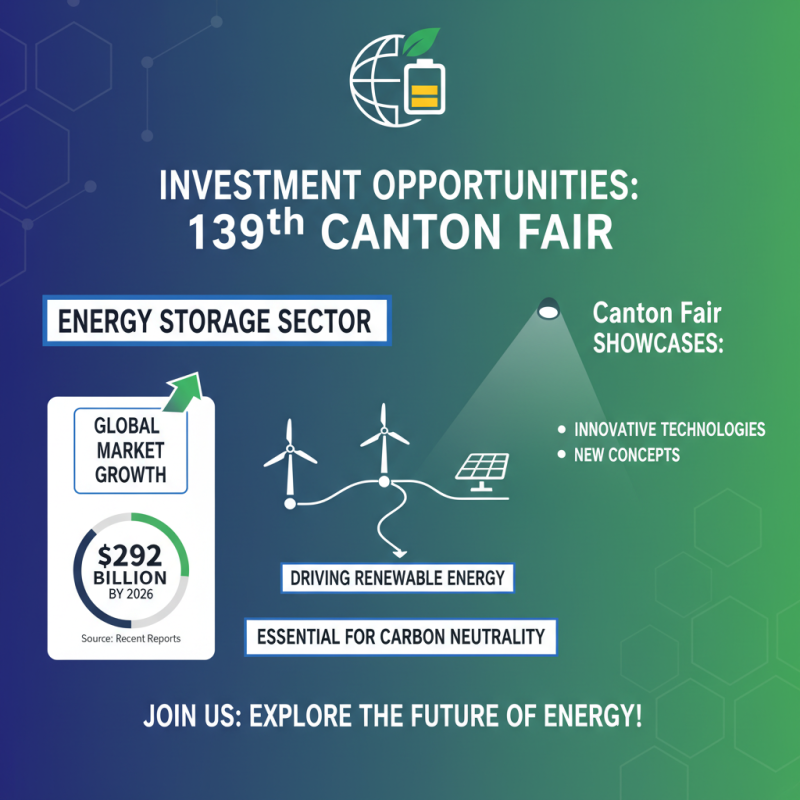
The 139th Canton Fair presents unique investment opportunities in the energy storage sector. Recent reports indicate that the global energy storage market could reach a value of $292 billion by 2026. This staggering growth reflects the rising demand for renewable energy solutions. As countries aim for carbon neutrality, energy storage systems are becoming essential. The event will showcase innovative storage technologies and concepts that attract investors.
Attendees can explore trends shaping the industry. For instance, battery technologies are evolving rapidly. Solid-state batteries promise higher efficiency and safety. However, challenges remain, such as high production costs and scalability issues. Investors must consider these factors critically. Engaging discussions at the Fair will provide insights into overcoming these hurdles.
The potential for investment in this sector is undeniable. Analysts predict a 20% annual growth rate in energy storage installations. Yet, as opportunities arise, so do risks. Market volatility and regulatory changes can impact profitability. Investors should remain cautious and informed. The Fair can help, offering a platform to network and understand the landscape.
Regulatory and Environmental Considerations for Energy Storage Containers
Energy storage containers are gaining traction globally, especially with events like the Canton Fair. Regulatory and environmental considerations play a crucial role in their adoption. Many countries are implementing stricter regulations on emissions and sustainability, which can impact energy storage solutions. According to a report by the International Energy Agency, the global energy storage market is expected to grow by over 40% annually until 2026.
However, navigating these regulations can be challenging. Companies must ensure compliance with local and international laws. For instance, battery disposal and recycling regulations vary widely. It's essential to understand these nuances. A missed regulation can lead to significant penalties.
Tip: Always stay updated on compliance requirements. This can prevent costly setbacks.
Environmental considerations also matter. The production and materials used in energy storage containers can have a significant environmental impact. Many organizations are exploring sustainable materials to reduce their carbon footprint. Reports suggest that using recycled materials can cut costs and meet regulatory standards.
Tip: Consider the lifecycle of storage solutions. Sustainable practices can enhance your market appeal while addressing regulatory concerns.
2026 Energy Storage Container Opportunities at 139th Canton Fair? - Regulatory and Environmental Considerations for Energy Storage Containers
| Dimension |
Value |
Regulatory Requirement |
Environmental Consideration |
| Container Size |
40 ft |
ISO Standard Compliance |
Low Carbon Footprint |
| Energy Capacity |
500 kWh |
UL Certification |
Recyclable Materials |
| Weight |
3000 kg |
Safety Management Regulations |
Sustainable Sourcing |
| Deployment Cost |
$100,000 |
Local Permitting Laws |
Impact Assessments Required |
| Lifespan |
10 years |
End-of-Life Regulations |
Energy Efficiency Practices |